A structure that works in three lines, and forty examples sorted by who is receiving them.
The most reliable birthday message has three parts: a specific memory, something you appreciate about them now, and a wish for the year ahead. Three sentences beats a paragraph, because a specific detail is what makes a card worth keeping.
Cards in this shop arrive blank inside for exactly this reason. A pre-printed verse is somebody else's sentiment, and the handwriting is the part that ends up in a drawer years later.
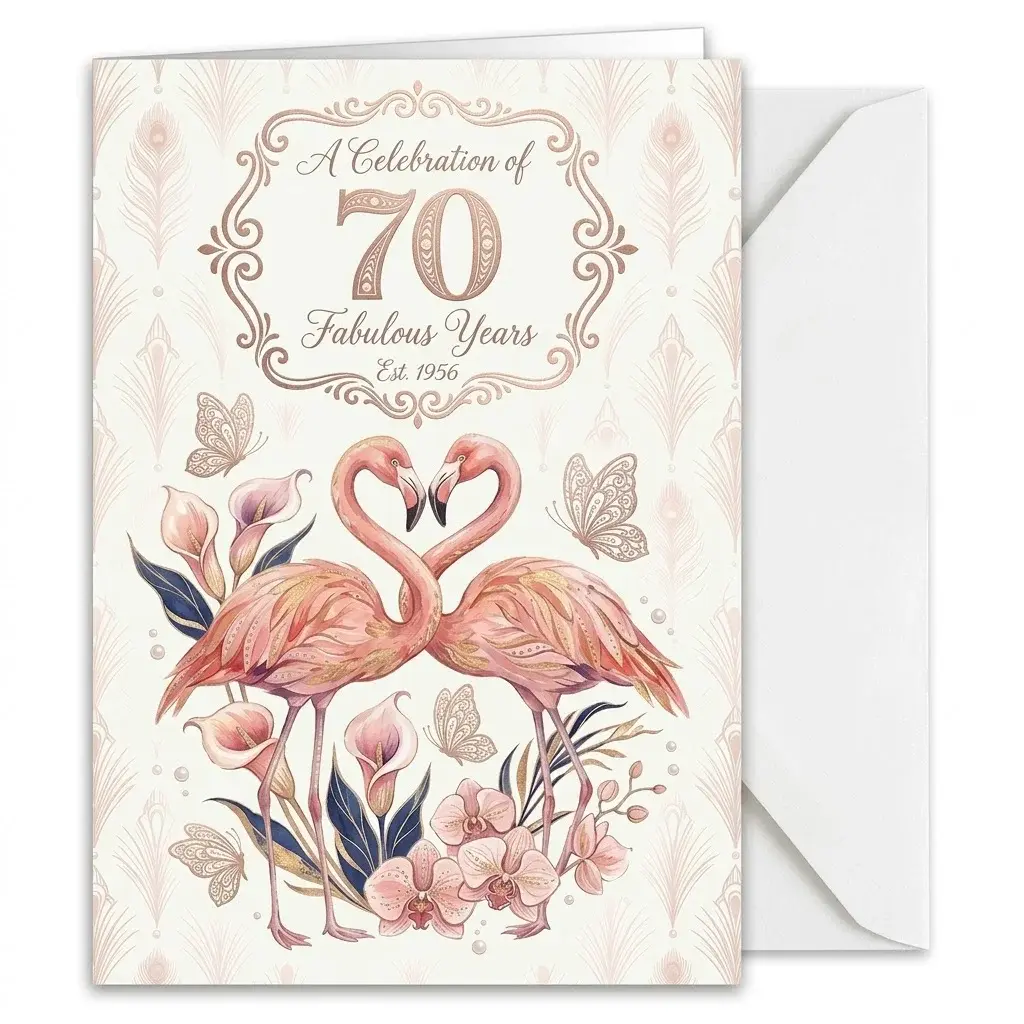
Keep it warm and short. A colleague card is read at a desk, often out loud, sometimes by the whole team. Aim for something they would be happy to have read aloud.
Milestone birthdays split into two camps and picking the wrong one is the main way these cards go wrong. Some people want the number celebrated; others want it acknowledged and then immediately made fun of. If you do not know which camp someone is in, celebrate rather than joke — a warm card is never the wrong call, and a joke that misses is remembered.
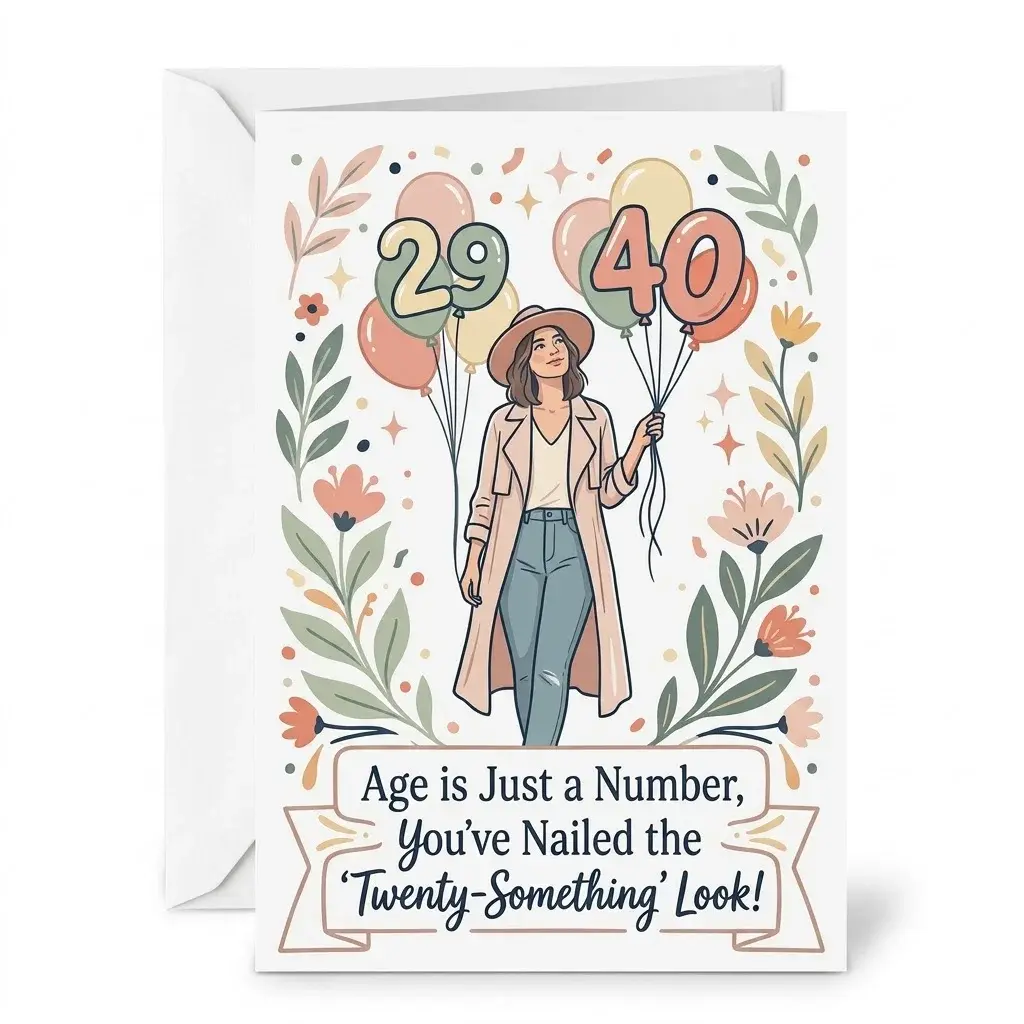
Say something true and small rather than something big and generic. "I hope you get good weather for it" beats "wishing you health, wealth and happiness", because the first sounds like a person and the second sounds like a card that came pre-written.
The line people keep is almost never the cleverest one. It is the one that proves you were paying attention.