The answer is decided before the shirt is ever washed.
Prints crack when the design sits on top of the fabric as a plastic film — vinyl and heavy screen print do this. Direct-to-garment ink soaks into the fibres instead, so there is no layer to crack when the shirt folds, and it fades slowly with the shirt rather than failing before it.
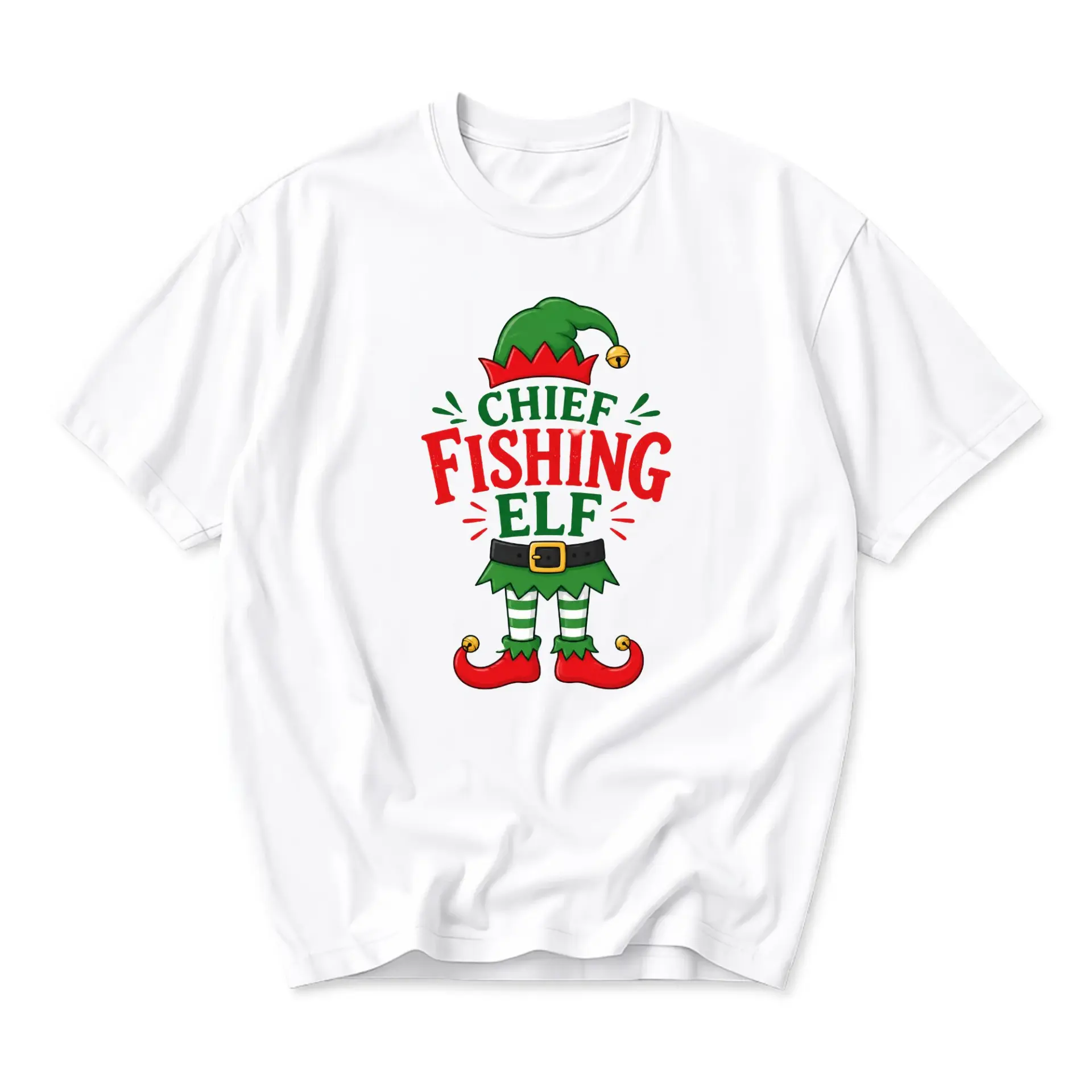
It fades, which is different from failing. Over years of washing, a DTG print gently loses saturation in step with the shirt itself, so the garment ages as one object. Vinyl stays vivid and then cracks, which is why an old vinyl shirt looks damaged while an old DTG shirt just looks old.
Screen print is the third method and the one most people picture when they think of a printed t-shirt. Ink is pushed through a mesh stencil, one screen per colour, which is why screen printing is cheap in bulk and expensive for one shirt — the setup cost is the same whether you print ten or ten thousand.
A well-made screen print is durable, because the ink is pressed into the weave rather than laid on it as a film. A cheap one is not: heavy plastisol laid thick sits on the surface and behaves like vinyl, cracking along fold lines within a year. The difference is in the ink and the operator, not in the method's name, which is why "screen printed" on a listing tells you less than people assume.
Because the setup cost is zero. A screen-printed shirt needs a screen per colour made before the first shirt exists, which only pays off across hundreds of identical units. DTG prints one shirt with forty colours for the same effort as one shirt with two, and that is what makes a catalogue of a thousand different designs possible without a warehouse full of each.
The trade-off is that DTG works best on cotton and struggles on high-polyester fabrics — the ink needs fibres to bond with. That is why solid colours here are 100% ringspun cotton, and why heather colours, which are a 52/48 blend, print slightly softer and lighter than the same artwork on a solid.
Cold, inside out, tumble dry low or hang. Do that and the print will outlast the shirt — which is the honest goal, not permanence.
A shirt printed after you order it has not spent six months folded in a warehouse with the design pressed against itself. That storage is where a lot of bargain-bin apparel picks up its creases and its faint plastic smell before anyone has worn it once.